

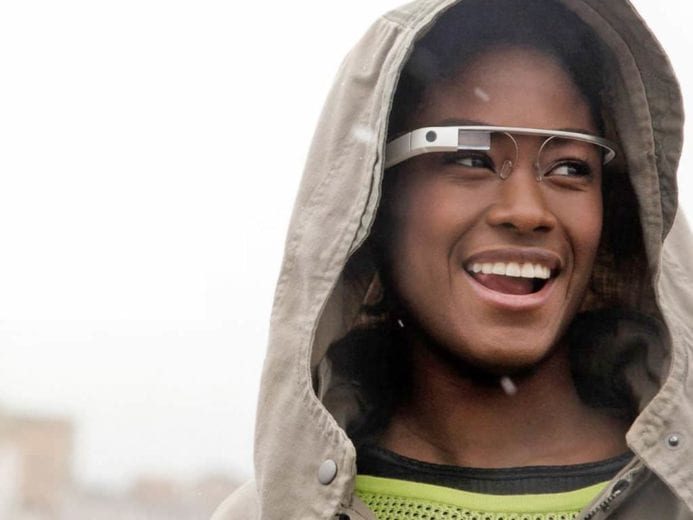
When wearable technology first entered the marketing conversation over a decade ago, devices like Google Glass and early Samsung smartwatches were novelties — interesting concepts with unclear practical applications for brands. That era is over. In 2026, the wearable technology market is valued at approximately $98 billion and is projected to exceed $230 billion by 2033. Wearables have moved from experimental gadgets to everyday devices that are reshaping how consumers interact with brands, consume content, and make purchasing decisions.
Here’s how marketers can capitalize on the wearable technology landscape in 2026 and beyond.
The New Wearable Ecosystem
Today’s wearable landscape looks nothing like the early days. Smartwatches alone account for over 51 percent of the wearable market revenue, with devices from Apple, Samsung, and Google offering sophisticated health monitoring, contactless payments, and real-time notifications. The Apple Watch has evolved from a luxury accessory into an essential health and communication hub, with features like hypertension detection and fall alerts making it indispensable for millions of users.
Smart rings have emerged as a fast-growing category, with Oura leading the charge and persistent rumors of an Apple Ring on the horizon. These discreet devices track sleep, activity, and health metrics without requiring users to wear a traditional screen-based device, creating new opportunities for health and wellness brands.
But the biggest shift for marketers is happening in smart eyewear. Sales of smart glasses are expected to quadruple in 2026, driven by devices priced between $300 and $400 — a fraction of what Google Glass cost when it launched. Ray-Ban Meta glasses have already become the top-selling product in 60 percent of Ray-Ban’s EMEA stores, proving that consumers will adopt smart eyewear when it’s stylish, functional, and reasonably priced.
Smart Glasses and AR: The Marketing Frontier
The smart eyewear category represents the most significant new marketing channel since mobile. Analysts forecast over 20 million near-eye display shipments in 2026, and the category is projected to exceed $30 billion by 2030.
Meta’s $3.5 billion investment in EssilorLuxottica, Ray-Ban’s parent company, signals how seriously tech giants are taking this space. Google has partnered with luxury eyewear brands including Kering, Gentle Monster, and Warby Parker. Apple is developing its own smart glasses with mass production slated for 2026 and a consumer launch expected by 2027.
For marketers, smart glasses equipped with AI assistants create entirely new interaction models. Imagine a consumer walking past your storefront and receiving a contextual, AI-generated recommendation through their glasses. Or a fitness brand providing real-time coaching overlays during a workout. Or a travel company offering AR-powered city guides that layer information onto the physical world.
These aren’t theoretical scenarios — they’re capabilities that current hardware already supports, and they’ll become mainstream as adoption accelerates.
Health and Wellness: A Data-Rich Opportunity
Health-focused wearables represent one of the most compelling marketing opportunities in the space. The demand for remote health monitoring and AI-based wellness solutions continues to grow, creating natural partnerships between wearable manufacturers and health, fitness, nutrition, and insurance brands.
The data generated by wearables enables hyper-personalized marketing that was impossible just a few years ago. With user consent, brands can deliver recommendations based on activity levels, sleep patterns, stress indicators, and even biometric trends. A nutrition brand could suggest meal plans based on a user’s actual energy expenditure. A fitness app could recommend recovery protocols based on real-time heart rate variability data.
The key is approaching health data with transparency and respect for privacy. Consumers are willing to share wearable data when they receive clear value in return, but brands that misuse this data — or fail to protect it — risk significant backlash.
Marketing Strategies for the Wearable Era
Optimize for micro-moments. Wearable notifications are brief by design. Brands that succeed in this space deliver concise, contextually relevant messages that provide immediate value. This means rethinking content for glanceable formats — a 10-word notification on a smartwatch requires a fundamentally different approach than an email or social media post.
Invest in voice and conversational interfaces. As smart glasses and earbuds become primary computing interfaces, voice-first content becomes essential. Brands should develop voice-optimized content strategies that work seamlessly with AI assistants integrated into wearable devices.
Leverage influencer partnerships. Style is a critical purchase driver in wearables, influencing one-third of smart glasses buyers. Fashion and lifestyle influencers are increasingly showcasing wearable tech as both functional and fashionable, creating authentic touchpoints between brands and consumers.
Think cross-device. The most effective wearable marketing strategies don’t treat wearables as isolated channels. Instead, they create seamless experiences that flow between smartphones, watches, glasses, and other devices. A customer might discover a product through an AR overlay on their glasses, research it on their phone, and complete the purchase through their watch — all within minutes.
Preparing for What’s Next
Apple’s acceleration of three AI-powered wearable devices in early 2026 signals that the wearable ecosystem is about to expand dramatically. When Apple enters a category with full force, mainstream adoption typically follows quickly.
For marketers, the time to develop wearable strategies is now — before the market becomes crowded. The brands that experiment with wearable-first content, build relationships with hardware partners, and develop data-driven personalization capabilities today will be positioned to lead when wearable adoption reaches critical mass.
Wearable technology is no longer the future of digital marketing. It’s the present, and the most forward-thinking brands are already leveraging it to create experiences that were impossible on any previous platform.
